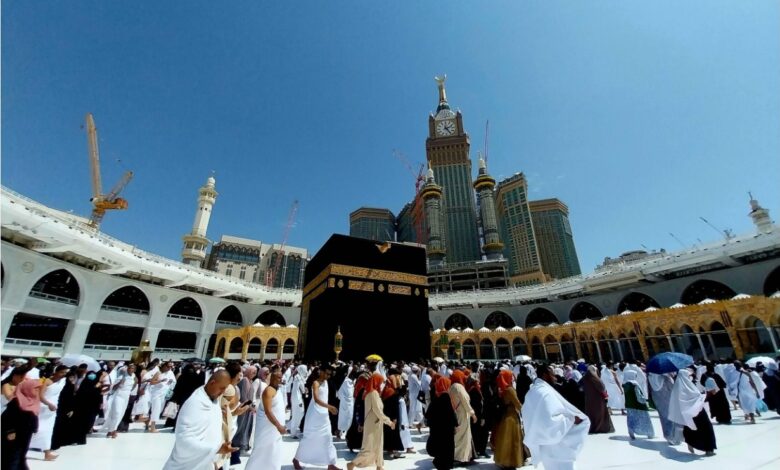
Saudi Arabia has become one of the most talked-about destinations in the Middle East. Over the past few years, the country has opened its doors to a broader range of international visitors. Travelers now visit for tourism, business events, cultural exploration, and religious journeys. Cities like Riyadh and Jeddah are rapidly developing into global hubs, while historic and natural sites such as AlUla continue to attract worldwide attention.
Despite the growing accessibility, one essential step remains the same for every visitor: obtaining the correct visa.
Understanding the difference between a Saudi Visa for tourism and an Umrah visa for religious travel is one of the most important parts of planning your journey.
Table of Contents
Saudi Arabia’s Visa System Has Evolved
For many years, travel to Saudi Arabia was primarily associated with business visitors and religious pilgrims. Today, that perception has changed. The country has introduced modern visa programs designed to welcome international tourists and simplify the application process.
Digital visa platforms now allow travelers to submit applications online, upload passport details, and receive approvals electronically. This modernization has made visiting Saudi Arabia much more straightforward for many travelers.
However, the system is still structured. Saudi Arabia organizes visas according to the purpose of travel, and choosing the correct category is essential.
The Saudi Visa for Tourism
The Saudi Visa has become one of the most widely used entry permits in recent years. It allows international visitors to explore the country’s rapidly expanding tourism sector.
Travelers using this visa often visit Riyadh’s museums and entertainment districts, explore the historic Al-Balad area of Jeddah, or travel to the desert landscapes of AlUla. The visa also allows visitors to attend conferences, festivals, and international sporting events that are increasingly hosted throughout the Kingdom.
For many first-time visitors, this visa offers an opportunity to experience Saudi Arabia’s blend of tradition and modernization. It reflects the country’s effort to position itself as a global tourism destination.
Applicants typically submit their personal information and passport details online. Once approved, the visa allows travelers to enter Saudi Arabia for short-term leisure travel.
Understanding the Umrah Visa
While tourism is expanding, Saudi Arabia remains the spiritual center of Islam. Each year, millions of Muslims travel to the Kingdom to perform Umrah, the pilgrimage that can be completed throughout the year.
An Umrah visa is specifically intended for religious travel. Unlike tourist visas, this category is designed for pilgrims whose primary purpose is visiting the holy cities of Makkah and Madinah.
Because of the spiritual significance of Umrah, the visa process is structured to support religious travel while maintaining organized entry procedures.
Many pilgrims plan their journey months in advance, particularly when traveling during Ramadan, which is one of the most popular times to perform Umrah.
Choosing the Correct Visa Type
One of the most common misunderstandings among travelers is assuming that any Saudi visa will allow them to perform any activity once they arrive.
In reality, Saudi Arabia expects travelers to apply under the visa category that reflects their main purpose of travel. If the intention is leisure and tourism, the tourist visa is appropriate. If the primary goal is performing Umrah, applying for an Umrah visa is the correct path.
Selecting the correct category from the beginning prevents confusion and ensures that your visa aligns with your travel plans.
Preparing Your Visa Application
Before applying for either type of visa, travelers should take a few important steps.
First, confirm that your passport is valid for at least six months beyond your planned entry date. This is a standard requirement for international travel to Saudi Arabia.
Second, make sure all personal information entered in the application matches your passport exactly. Even minor spelling errors or incorrect passport numbers can delay processing.
Finally, apply well in advance of your departure date. Although the application process has become more efficient, demand during peak travel seasons can influence processing times.
What to Expect Upon Arrival
Saudi Arabia’s airports have expanded significantly in recent years as the country welcomes more international travelers. Upon arrival, immigration officers typically review your passport and visa confirmation.
Travelers may be asked basic questions about the purpose of their visit and how long they plan to stay. These are standard procedures used worldwide to confirm that the traveler’s visa aligns with their travel plans.
As long as your documentation is accurate and your visa category matches your purpose, the entry process is usually straightforward.
Saudi Arabia’s Growing Global Appeal
Saudi Arabia offers an experience that combines ancient heritage with rapid modernization. Visitors can explore centuries-old historic sites while also experiencing new entertainment districts, luxury resorts, and cultural events.
For tourists, the Saudi Visa provides an opportunity to explore a country that is rapidly emerging as a major global destination. For Muslims traveling for religious purposes, the Umrah visa continues to provide access to one of the most spiritually significant journeys in Islam.
This balance between tourism development and religious heritage is what makes Saudi Arabia unique.
Final Thoughts
Saudi Arabia’s visa system has evolved to accommodate both modern tourism and centuries-old pilgrimage traditions. Understanding the difference between a Saudi Visa for leisure travel and an Umrah visa for religious pilgrimage is essential when planning your visit.
By choosing the correct visa category, reviewing your documentation carefully, and applying early, travelers can ensure a smooth entry process.
Once the administrative steps are complete, the focus can shift to the journey itself—whether that means exploring the Kingdom’s cultural treasures or embarking on a meaningful spiritual pilgrimage.